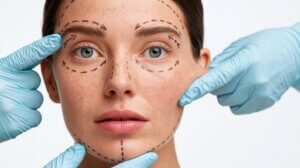

Otoplasty, or ear-pinning, is a corrective procedure that repositions the ears closer to the head. It’s typically performed to improve facial balance and symmetry. Recovery means taking time away from work and wearing concealing surgical bandages.
A study published in ScienceDirect reveals that having protruding ears is one of the most common auricular deformities. Approximately 5% of U.S. adults believe that their ears protrude excessively.
If you’re considering otoplasty, understanding the recovery process can help you feel more prepared. Knowing what to expect physically and deciding how you’d like to handle questions from coworkers can make returning to work much less stressful.
How Long Is the Adult Otoplasty Downtime Before Returning to Work?
Adult otoplasty downtime varies by individual. Many patients can return to desk work within about five days, while physically demanding work will require a longer recovery. Mild swelling and tenderness are common during the first week and are usually manageable with medication recommended by your surgeon. A supportive headband is recommended to protect your ears as they recover, especially while sleeping.
Your surgeon may recommend avoiding strenuous tasks during early healing. Following post-operative instructions supports a smoother recovery.
What Should You Expect During the Post-Op Swelling Timeline After Ear Pinning Surgery?
Swelling is usually most noticeable during the first week after ear pinning surgery. The ears may appear larger or more prominent than expected at first. Most swelling decreases significantly within two to four weeks. Mild residual swelling can remain for several months.
Temporary asymmetry is common during healing. As swelling subsides, the ears gradually settle into their new position.
From here, the final results become more apparent within four to six weeks (Cleveland Clinic).
What Are the Best Strategies for Concealing Surgical Bandages at the Office?
Adherence to post-operative instructions is essential during early recovery. Continuous use of a pressure dressing is typically required in professional settings.
Loose hairstyles or soft head coverings can help reduce attention. Selecting neutral clothing also keeps focus away from the head.
Should You Tell Coworkers About Your Ear Pinning Surgery or Keep It Private?
Whether you tell coworkers about ear pinning surgery is entirely up to you. Keeping the procedure private can limit discussions about your appearance.
Consider how visible your recovery may be when making your decision. Know how you’ll respond to questions or concerns about bandaging, swelling, or bleeding. Simply stating “this was a planned procedure” can help ease your caring co-worker’s minds about possible injuries. Remember, your medical information is private. You’re free to share as much or as little as you’re comfortable discussing.
Choose the approach that works best for your needs.
How Do You Manage Social Anxiety While Recovering from Cosmetic Ear Surgery?
It’s completely normal to feel self-conscious during the first week or two after surgery. Temporary swelling, bruising, or bandages can make you feel like everyone is looking at you, even when they’re not. Most patients find those concerns fade quickly as healing progresses.
Data from The National Library of Medicine found that the otoplasty procedure rated at a 90.7% “Worth It” score. This is based on factors such as:
- Improved confidence (38.5%)
- Enhanced ear shape (27.8%)
- Natural-appearing results (17.4%)
- Well-hidden scars (3.7%)
- Positive surgeon communication (25.1%)
When dealing with social anxiety during the recovery process, it can help to focus on long-term results rather than temporary changes in appearance. Preparing simple responses to commonly asked questions makes workplace conversations feel less stressful.
Setting realistic expectations for healing may also make social interactions feel more manageable.
What Are the Most Common Workplace Reactions After Returning from Otoplasty?
Most workplace reactions after otoplasty are brief and relatively uneventful. Coworkers may notice surgical bandages or subtle changes in ear appearance.
It’s important to understand that many questions are often driven by curiosity or concern rather than criticism. Comments may focus on your recovery or a noticeable change in appearance.
Preparing a simple response in advance can reduce awkwardness. You’ll notice that workplace attention typically fades and routine interactions resume as healing progresses.
How Can You Handle Questions and Comments During a Professional Workplace Return?
Questions and comments are common when returning to work after ear pinning surgery. Keeping your responses brief maintains more professional boundaries.
Examples include “I had a minor procedure, and I’m recovering well,” or “Everything went smoothly. Thanks for asking.” You are not obligated to discuss personal medical decisions in detail.
Redirecting conversations back to work topics can help keep interactions comfortable and professional.
Will I Need Time Off to Recover?
Most patients are comfortable returning to work within a few days to a week after their procedure. Corporate medical leave may be available for ear pinning surgery recovery, however this varies based on your employer’s unique policies.
Federal FMLA protections generally do not cover cosmetic procedures unless complications or inpatient care are involved (ELaws). Before scheduling surgery, employees in Omaha should review the available:
- PTO
- Sick leave
- Short-term disability benefits
- Paid medical leave programs
- Extended leave of absence options
A surgeon can provide recovery documentation if needed. Speaking with HR in advance helps clarify eligibility and return-to-work expectations.
Frequently Asked Questions
Can You Wear Glasses After Ear Pinning Surgery?
Yes. Wearing glasses after ear pinning surgery is usually possible, with caution. Frames that rest on the ears may place pressure on healing tissue.
Surgeons often recommend alternative supports or adjusting how glasses sit. Temporary solutions like tape or straps can reduce contact.
Always follow post-operative guidance for safe healing.
Is It Normal to Feel Self-Conscious During Recovery?
Absolutely. Feeling self-conscious during recovery is completely normal after ear pinning surgery.
Temporary changes in appearance, including bandages or swelling, make social situations feel more noticeable. These feelings usually ease as healing progresses and results become clearer.
Focusing on long-term recovery goals and gradual improvement helps build confidence over time.
Can You Attend Virtual Meetings While Recovering from Otoplasty?
Yes. Attending virtual meetings after otoplasty is generally possible if you feel comfortable. Most recovery does not affect speaking or screen participation.
Adjusting your camera angle reduces focus on your appearance. Using strategic lighting softens facial shadows.
Virtual meetings are a good way to ease back into the physical workspace.
Start Your Cosmetic Surgery Journey to a More Confident You at Popp Cosmetic Surgery PC Today
Choosing otoplasty is a personal decision, and so is deciding how much you want to share during recovery. With the right preparation and support, most patients find the temporary healing process is well worth the lasting confidence they gain.
Dr. Jeffrey Popp and his caring team of trained medical staff lead with compassion and communication. No matter the procedure, you’re in excellent hands!
Fully certified cosmetic and reconstructive surgery since 1983, Contact Popp Cosmetic Surgery to schedule a consultation with us today!