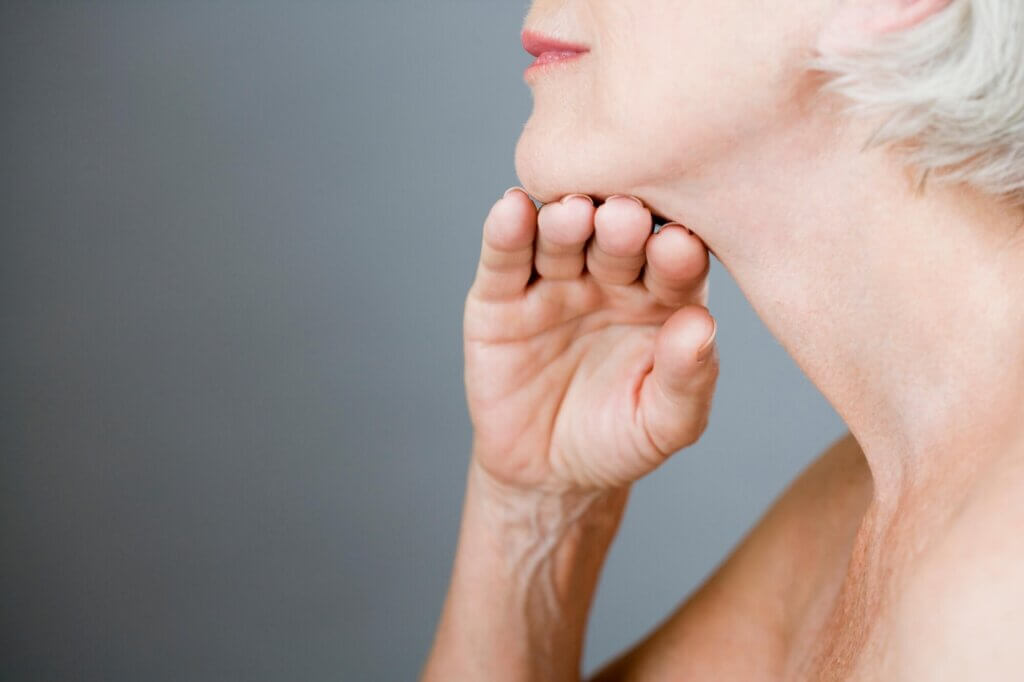
You can follow a consistent skincare routine, protect your skin from the sun, and make healthy lifestyle choices while still noticing changes in your neck and jawline over time. Perhaps the skin beneath your chin isn’t as firm as it once was, or your jawline has become less defined. These changes are common, and they don’t necessarily mean you’re doing anything wrong.
Skin aging involves several factors, including changes in collagen and elastin, sun exposure, hormonal shifts, genetics, and changes in facial volume. Skincare can help maintain your skin’s health and improve some visible signs of aging, but it cannot address every underlying cause of loose skin.
If changes in your neck are affecting how you feel about your appearance, understanding your options is a helpful first step. Depending on your concerns, those options may range from a consistent skincare routine to a surgical neck lift.
Five Common Causes of Loose Neck Skin
Why does neck skin become loose, even when you take good care of it? Several factors can contribute to changes in the skin’s firmness and the contours of your lower face and neck.
1. Collagen and Elastin Loss
Collagen and elastin are proteins that help give skin its structure and elasticity. As you age, your body produces less collagen, and the skin’s ability to maintain its firmness and resilience changes.
Over time, these changes can contribute to wrinkles, reduced elasticity, and sagging. Gravity also plays a role, gradually affecting the appearance of the skin and underlying tissues.
These changes happen at different rates for different people. You may notice them in your neck or jawline earlier or later than someone else your age.
2. Changes in Facial Volume and Supporting Structures
The contours of your face depend on more than your skin alone. Fat, bone, muscle, and other supporting tissues all contribute to your appearance.
As these structures change with age, your facial contours may shift. Changes in facial volume and the tissues around the lower face can make your jawline appear less defined. Loose skin beneath the chin or along the neck may also become more noticeable.
This is one reason two people with similar skincare routines can experience very different changes in their appearance. Their underlying anatomy, genetics, and patterns of aging may differ.
3. Sun Exposure
Repeated exposure to ultraviolet (UV) radiation contributes to photoaging, which can cause wrinkles, uneven pigmentation, and changes in skin texture and elasticity.
The face and neck are frequently exposed to sunlight, making sun protection an important part of caring for both areas.
Although you cannot undo all the effects of past sun exposure, protecting your skin going forward can help limit additional UV damage. Broad-spectrum sunscreen, protective clothing, and seeking shade are useful parts of a sun-protection routine.
4. Hormonal Changes During Menopause
Hormonal changes during menopause can affect the skin’s moisture, thickness, and elasticity. Declining estrogen levels are also associated with changes in skin collagen.
These changes may contribute to dryness, fine lines, and reduced firmness. For some women, the effects become particularly noticeable around the face and neck.
Menopause affects everyone differently, and it isn’t the only factor that determines how the skin ages. Genetics, sun exposure, and other individual factors also play a role.
5. Significant Weight Loss
Losing a substantial amount of weight can change the contours of your face and neck. As facial fat volume decreases, loose skin that was previously less noticeable may become more apparent.
The skin’s ability to adapt to these changes varies. Age, genetics, the amount of weight lost, and existing skin elasticity can all influence the result.
Weight loss is not inherently harmful to your appearance, and loose skin is not a sign that you’ve done something wrong. If you’re concerned about changes in your jawline or neck after losing weight, a consultation can help you understand which options may be appropriate.
What Can Skincare Do for Jowls and Loose Neck Skin?
A consistent skincare routine remains worthwhile, even if you’re noticing changes in your neck or jawline.
Moisturizers help maintain hydration and support the skin’s moisture barrier. Ingredients such as retinoids, including retinol, may improve certain signs of photoaging and support collagen-related changes over time. Results vary depending on the product, how it’s used, and your individual skin concerns.
Sun protection is equally important. Protecting the neck as well as the face helps reduce ongoing UV damage.
However, it’s helpful to understand the limitations of topical products. Skincare may improve dryness, texture, and some fine lines, but it cannot remove substantial excess skin or fully correct changes in the underlying tissues.
If your primary concern is significant sagging beneath the chin or along the neck, you may want to explore additional options. The right approach depends on what’s contributing to the change and what you’d like to improve.
What Are the Options for Sagging Skin Along the Jawline?
There isn’t one treatment that works for everyone. Some people are primarily concerned about skin texture, while others want to address loose skin, fullness beneath the chin, or visible bands in the neck.
Understanding these differences can help you have a more productive conversation with a qualified provider.
Healthy Habits and Prevention
Although you cannot stop the natural aging process, you can take steps to support your skin’s health.
A consistent skincare routine, regular sun protection, a balanced diet, physical activity, and avoiding smoking all contribute to overall health and can help address certain factors associated with premature skin aging.
These habits are valuable, but they won’t eliminate existing excess skin. It’s also important to set realistic expectations: even a diligent skincare routine cannot prevent every change associated with aging.
Nonsurgical Skin Treatments
Some nonsurgical treatments use technologies such as ultrasound or radiofrequency to deliver energy to targeted tissues. Depending on the technology and treatment plan, these procedures may offer modest improvements in skin firmness.
Surgical Treatment: Neck Lift
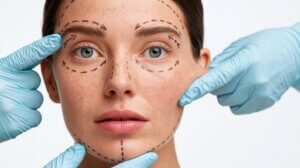
When loose skin or changes in the underlying neck structures are the primary concern, a neck lift may be an option worth discussing with a qualified plastic surgeon.
A neck lift is designed to improve the appearance of the neck by addressing concerns that may include excess skin and changes in the underlying tissues. Depending on the individual’s anatomy and surgical plan, treatment may also address prominent platysmal bands—the vertical bands formed by the platysma muscle that can become more noticeable with age.
As with any surgery, a neck lift involves recovery, risks, and limitations.
The best way to understand whether a neck lift is appropriate for you is to discuss your goals, medical history, and expectations with a qualified surgeon.
Frequently Asked Questions
What Parts of the Body Show Signs of Aging First?
The face, neck, and hands are common places to notice visible signs of aging. These areas are frequently exposed to sunlight, and changes in skin structure, moisture, and elasticity can become more apparent over time.
The timing and extent of these changes vary from person to person. Genetics, sun exposure, lifestyle, and other factors all contribute to how your skin ages.
Will Losing Weight Get Rid of Sagging Jowls?
Weight loss can change the shape of your face, but it doesn’t necessarily eliminate jowls. When facial fat volume decreases, existing loose skin along the jawline may become more noticeable.
The outcome depends on factors such as your anatomy, the amount of weight lost, and your skin’s elasticity. If you’re concerned about jowls or loose skin after weight loss, a consultation can help you understand which treatments, if any, may be appropriate.
Can Skincare Tighten Loose Neck Skin?
Skincare can improve hydration, texture, and some visible signs of aging. Certain ingredients may also help improve aspects of photoaged skin over time.
However, topical products cannot remove substantial excess skin or fully correct changes in the underlying structures of the neck. If significant sagging is your primary concern, you may want to discuss additional treatment options with a qualified provider.
How Do I Know Whether I Need a Neck Lift?
You don’t necessarily need a neck lift just because you’re noticing changes in your neck. The appropriate treatment depends on the cause of the concern, its severity, your overall health, and your personal goals.
Some people may benefit from skincare or nonsurgical treatments. Others may find that surgery is the most appropriate option for addressing significant excess skin or changes in the underlying neck structures.
A consultation with a qualified cosmetic surgeon can help you understand the potential benefits, limitations, and risks of the available options.
Explore Your Options for Neck Rejuvenation
Changes in your neck and jawline are a natural part of aging, and there’s no single right way to approach them. Skincare can help maintain your skin’s health, while nonsurgical treatments and surgery may offer additional options for specific concerns.
The first step is understanding what is contributing to the changes you’re noticing. From there, you can explore the options that best align with your goals and expectations.
At Popp Cosmetic Surgery, Dr. Jeffrey C. Popp and the team are committed to helping patients make informed decisions in a comfortable, caring environment. Dr. Popp has been in practice since 1998, bringing experience and a patient-focused approach to cosmetic care.
If you’re considering treatment for loose neck skin or changes in your jawline, contact Popp Cosmetic Surgery to learn more about your options and schedule a consultation.