












Read our Frequently Asked Questions (FAQs) on Tumescent Liposuction
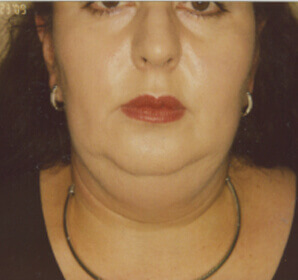
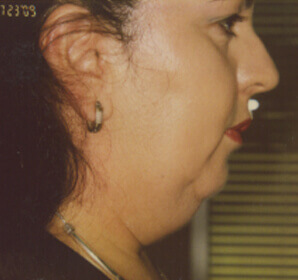
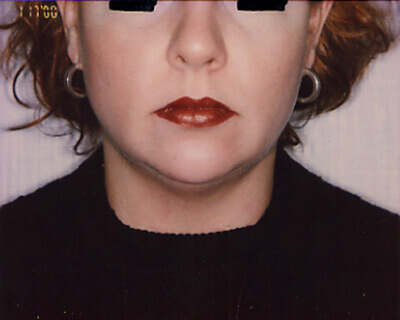
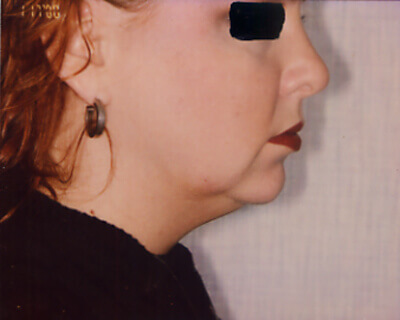
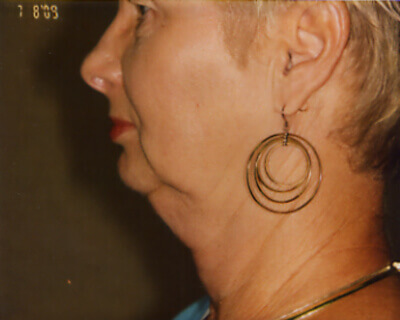
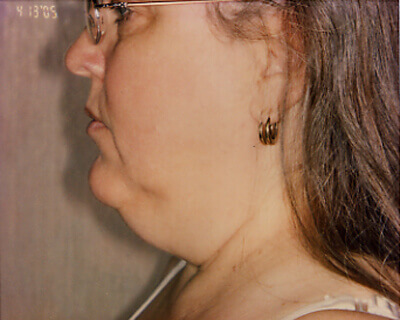
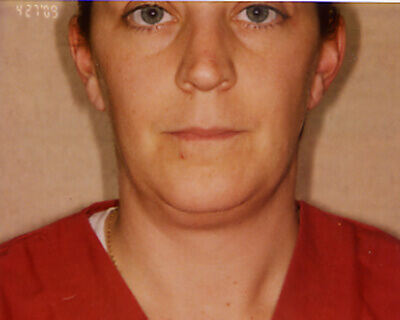
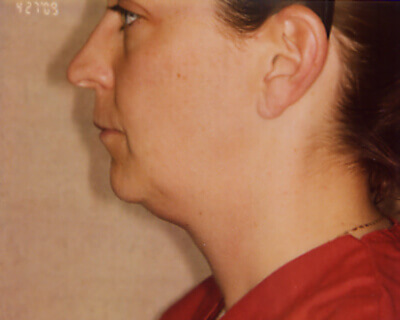
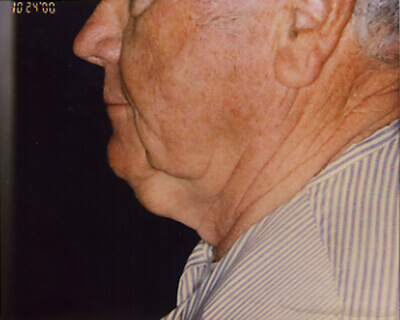
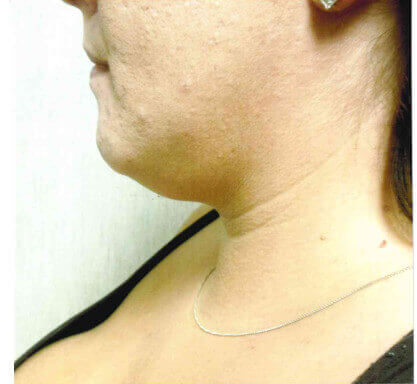
Some people who otherwise are not overweight are distressed because of a double chin, saggy jowls or a very round face. Fat deposits in these locations may be due to heredity or the natural aging process. Unfortunately, these conditions are usually resistant to exercise and weight loss and, until recent times, could not be changed. Recently, however, several surgical procedures have been developed to eliminate fat deposits in the face. One such technique, facial liposuction, was perfected over twenty years ago by a French physician and is now available for men and women who want to correct these facial flaws.
Facial liposuction surgery involves the removal of specific areas of localized fat deposits and may be performed alone or in conjunction with other facial surgeries such as chin augmentation and facelift.
Men and women in good physical condition with good skin elasticity are the best candidates for this surgery. When the procedure was first introduced, only younger people were considered to be good candidates; however, recent improvements in the technique have made it possible to treat patients of all ages. Each person seeking this treatment, regardless of age, must be personally assessed by the physician to determine if he or she is suitable for facial liposuction.
Before surgery
Prior to surgery, a complete medical history is taken in order to evaluate the general health of the patient. A thorough examination of the face is also conducted with particular attention to skin tone. The physician describes the type of anesthesia to be used, the procedure, what results might realistically be expected, and possible risks and complications.
Preoperative instructions may include the elimination of certain drugs which contain aspirin in order to minimize the possibility of excess bleeding. Antibiotics may be prescribed for a few days prior to surgery to prevent infection. Photographs may be taken before and after surgery to evaluate the amount of improvement.
The Procedure
Facial liposuction surgery can be performed in the physician’s office, an outpatient surgical facility, or a hospital depending upon the physician’s and patient’s preference. It can be done under general anesthesia with the patient asleep or under local anesthesia in which the area is numbed and the patient remains awake. Prior to surgery, the areas to be treated are carefully marked and premedication is given to relax the patient.
The physician makes very small incisions along the jawline, in the cheeks or in the neck below the chin, depending upon which fat deposits are to be removed. (Fig. A) A tube (cannula) attached to a high pressure vacuum suction or to a syringe system is inserted deep in the fat. (Fig. B) The fat is loosened from surrounding tissue by moving the tube back and forth. It is then removed or vacuumed from the face with the suction device. The physician determines the amount of fat to remove by feeling the skin and pinching the tissue.


| Fig. A | Fig. B |
After the incisions have been closed, a compression dressing or bandage is applied to the area to prevent bleeding, reduce swelling and support the affected areas. The procedure can last from thirty to sixty minutes depending upon the extent of surgery.
Following Surgery
The dressing, which remains in place for a day or two, may be replaced with an elastic bandage placed under the chin and tied over the head. It may be necessary to wear this chin strap for several days. Because the surgery does not involve large incisions and extensive cutting, pain is minimal to moderate and is controlled with oral medication. Antibiotics may be prescribed.
Most patients are completely ambulatory immediately following surgery, but rest is recommended for the initial postoperative period. Patients are usually able to return to normal activities within a week, although vigorous physical activity is discouraged for several weeks. Chewing may be difficult for a few days, particularly if a chin strap is worn.
Some swelling can occur and sometimes there is bruising around the treated areas. Swelling can be reduced by keeping the head slightly elevated when reclining. Scars which fade significantly in time are, for the most part, inconspicuous because they are made within the natural creases of the face whenever possible. Complications of this surgery are rare; however, possible complications include uneven skin surface, numbness and discoloration which are usually temporary, and infection. There are certain inherent risks connected with every surgical procedure which should be thoroughly discussed with the physician. Patients can minimize complications by carefully following directions given by the physician.
Facial liposuction surgery is an excellent procedure that can benefit those who want to remove unsightly fat deposits from localized areas of the face.
Copyright © 1997 Contemporary Health Communications, Chesterfield, Missouri (Commercial use strictly prohibited)