It’s surprisingly common for people to be unhappy with their bodies. Approximately 60% of survey respondents in 2022 declared their size, shape, or weight influenced their self-esteem.
Only 6% of respondents said they feel genuinely happy with their bodies. Regardless of the reasons behind why these feelings occur, fat transfer surgery can help overcome them. However, there are complications like bruising and surgery swelling you should be aware of.
We’ve put together a brief guide on how to reduce bruising after fat transfer procedures. Let’s explore the key information you should know.
How Does the Procedure Work?
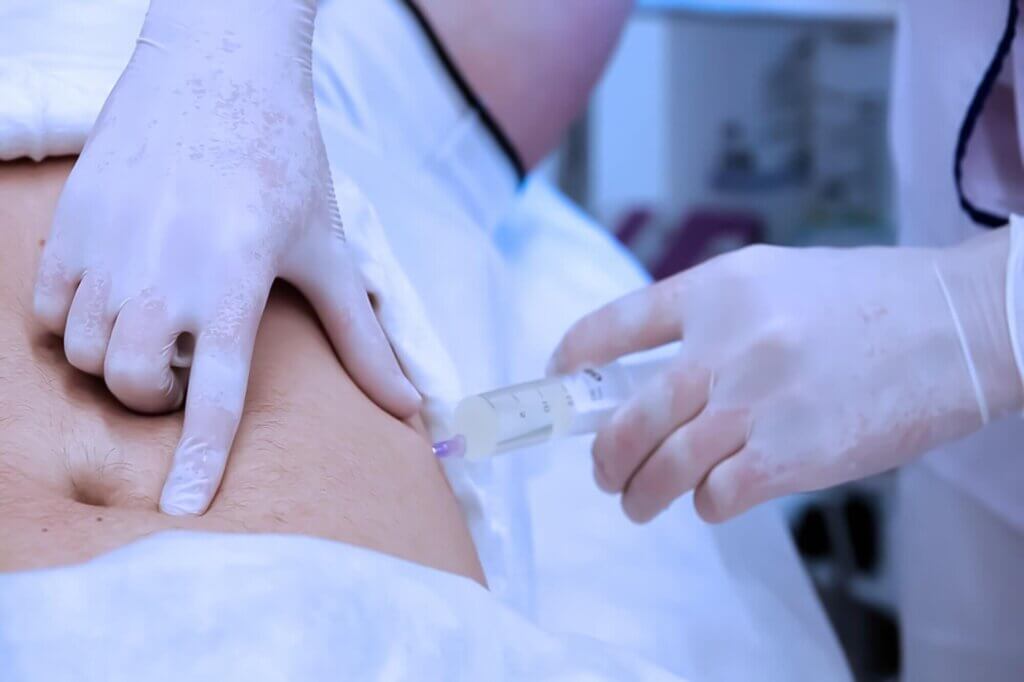
A fat transfer procedure takes fat deposits from one area of the body and relocates them to another. Your doctor will make several small incisions around the area of fat removal.
The surgeon will then harvest the fat cells, clean and purify them, then placing them in syringes to transfer to the recipient site. This requires a large amount of precision and skill to perform correctly. Even minor errors can result in an unattractive, unnatural appearance.
How Long Does Bruising Last?
Bruising occurs in most patients. Nearly all types of surgeries are traumatic for the human body, and bruising is one of the most natural responses. The same can be said for swelling.
You can expect to deal with bruising for approximately two to three weeks after your procedure. Your surgeon will likely prescribe antibiotics to minimize complications.
Benefits of Fat Transfer Surgery
Most people would assume that fat transfer surgery is an inferior option to fat removal surgery. This would be true if it only focused on areas where people store fat, such as the waist, arms, and legs.
Transferring fat to the face for example can provide a much healthier, more youthful appearance. As we age, the fat in our face tends to atrophy causing our cheeks and temples to sink in creating a gaunt, old appearance. Fat transfer creates a fuller more rounded, and therefore more youthful appearance (think of a baby’s plump round face). By extension, this can also result in increased self-esteem.
Why Does Volume Loss Occur?
As we age, our bodies produce less collagen and elastin. The fat pads in our faces also reduce in size. A major consequence of this occurrence is skin that’s thinner and less flexible.
An aging face could start to appear “hollow” and will eventually begin to sag. Fat transfer helps reverse the symptoms of aging.
Minimizing Bruising After Fat Transfer Procedures
Facial bruising can be unpleasant to look at and embarrassing to deal with. Fortunately, there are steps you can take to reduce this issue. Before your surgery, avoid non-steroidal anti-inflammatory drugs.
These include ibuprofen, Advil, and aspirin. In general, it’s best to stop taking these approximately one week before your surgery. You should also avoid vitamin E, omega-3, fish oil, vitamin E, and flaxseed, to name a few.
Your doctor can provide more detailed guidelines on this topic. After your procedure, ice therapy goes a long way toward bruising reduction. Keep your head elevated and apply ice packs at regular intervals. Repeat this process a few times per day for the first two to three days after your surgery.
Arnica Montana, taken orally before and after your procedure, has been shown in some people to reduce bruising and facilitate it’s resolution.
Avoid vigorous physical activity after your procedure. This includes intense exercise and heavy lifting.
Fat Transfer Recovery Time
Most patients will fully recover from facial fat transfer surgery within four to six weeks. However, it can sometimes take longer.
In some situations, someone might not notice the final results until six months after the procedure. Factors that affect recovery time include how well you adhere to your doctor’s recommendations and how your body responds to the surgery. Sometimes, issues will arise that are out of everyone’s control.
There’s a chance that your body will recover far slower than your doctor anticipates. While it may be frustrating or inconvenient, do your best to adhere to your recovery regimen.
Other Complications
All surgeries come with the risk of complications. You can minimize the chances of these through proper recovery methods, but it’s impossible to prevent them 100% of the time. One of the most notable complications is the development of hematomas.
This is a collection of blood underneath the skin and in some cases needs to be drained. Working with inexperienced surgeons could result in hypertrophic scars. These are thick in appearance and often permanent. Of course with any surgery infection is possible.
Your doctor will tell you what symptoms to keep an eye out for and when to contact them if issues occur. As long as you stay vigilant, you can quickly catch problems that arise and take the necessary action.
Finding a Doctor
Not all doctors are created equal, and you’ll have to find one who’s experienced enough to meet your needs. Before moving forward, check their past reputation. This will provide insight into the type of results you can expect. You should never sacrifice quality for price.
Regarding cosmetic procedures, it’s much better to pay more at first than have to book additional surgeries to resolve mistakes. To clarify, Let’s assume you found someone who could perform the surgery for $10,000 and they have an amazing reputation. You found someone else less reputable who could perform the surgery for $5,000.
There’s a good chance that the cheaper surgeon has less developed skills. While they might not be guaranteed to fall short of your goals, they’ll be less likely to reach them.
You should also assess how comfortable you feel working with the doctor. If your consultation raises any red flags or makes you uncomfortable, don’t be afraid to search elsewhere.
Make Your Decision Carefully
When booking a fat transfer procedure, keep the tips in this guide in mind.
Popp Cosmetic Surgery has proudly served clients for decades. We leverage our extensive knowledge and resources to provide clients with amazing experiences and results. Are you ready to schedule your fat transfer procedure? Schedule an appointment online or give us a call at (402) 391-4558 to get started.