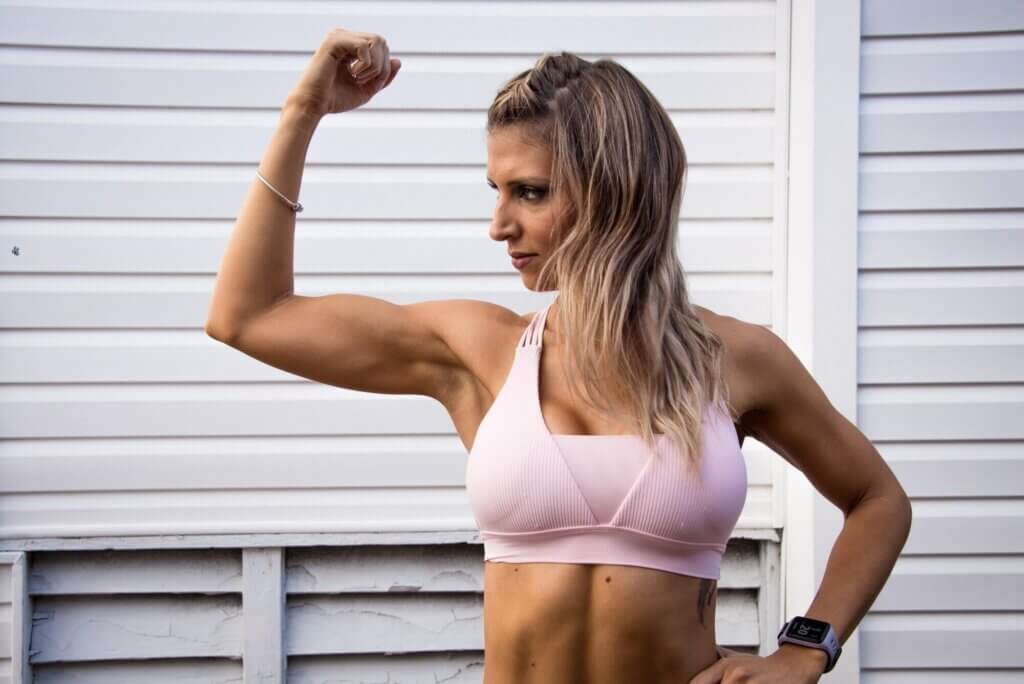
Studies have shown that a positive body image can decrease the chance of depression and lead to an improvement in an unhealthy diet. Everyone deserves to feel like their best self.
Do you feel self-conscious about your arms? Do you have what are referred to as “bat wings”? Are you ready to show off the hard work you’ve already done? Brachioplasty is a surgical procedure that can improve the look of one’s upper arms. It’s a great solution for anyone who has struggled with sagging skin caused by collagen loss due to aging or loose skin because of major weight loss.
Brachioplasty has an excellent success rate, but like any procedure, there are potential risks and complications, as well as a recovery period. Understanding what to expect during your brachioplasty recovery and following key care guidelines can help ensure a smooth outcome.
Taking Stock of Arm Lift Procedure Steps
The surgery involves getting rid of excess skin and fat from the upper arms. The targeted area usually extends from the armpit area to just above the elbow, but each procedure is tailored to the patient’s unique needs.
The surgeon makes incisions along the inner arm, allowing them to remove the unwanted tissue and tighten the remaining skin. In most cases, liposuction is used to remove fat deposits for a more contoured result.
Afterward, the surgeon will suture the incisions. Bandages or compression garments can help reduce arm swelling and ensure a smooth post-recovery appearance. The procedure can be done under local anesthesia, “twilight” anesthesia, or general anesthesia, based on patient preference, and will take a few hours, depending on your specific needs.
What to Expect from the Immediate Post-Surgery Period
After your brachioplasty, you’ll spend some time in a recovery room where medical staff will monitor you as you wake up from anesthesia. It’s common to experience grogginess, nausea, or discomfort immediately following the procedure.
Pain and swelling are normal. Don’t worry because you can manage these symptoms with prescribed pain medications and cold compresses.
During the first few days of your recovery, remember to rest and put a strict limit on your physical activities. You’ll likely have bandaged arms, and your doctor could tell you to keep them elevated to help reduce swelling.
Compression garments are often recommended to provide support and reduce swelling during the first healing phase. It’s essential to follow your surgeon’s specific instructions about the garments because they have a major role in your arm lift healing process.
Staying on Top of Pain Management and Medication
Pain management is a critical aspect of brachioplasty recovery. Doctors prescribe pain medications to help lessen discomfort during the first few days.
Your doctor may suggest over-the-counter solutions, such as acetaminophen and/or ibuprofen. It’s essential to take medications as directed and stay away from some anti-inflammatory drugs like aspirin because they can increase the risk of bleeding.
In addition to pain relief, your surgeon may prescribe antibiotics to prevent infection. It’s crucial to take the full course of antibiotics, even if you feel well, to ensure that your surgical wounds heal properly without complications.
Why Caring for Surgical Wounds Is Important
Your surgeon will provide detailed instructions on how to care for your incisions, including when and how to change bandages. Your doctor may suggest cleaning the incision sites with a mild antiseptic solution.
It’s important to avoid submerging your arms in water until your surgeon gives you the go-ahead. Showers are usually allowed after the first few days, but you should be cautious and avoid getting the incision sites too wet.
As the incisions heal, you may notice some scarring. Some scars are unavoidable, but there are steps you can take to reduce their appearance:
- Keep the scars out of direct sunlight
- Apply silicone-based scar treatments
- Following your surgeon’s recommendations
Surgical Aftercare – Swelling and Bruising
Swelling and bruising are an expected part of any surgical procedure, but they can be minimized and managed with proper aftercare.
Swelling and bruising are the most severe within the first few days after surgery, but should fade over the following two to six weeks.
To help manage swelling, your surgeon may recommend elevating your arms during the initial days of recovery. Sleeping with your arms elevated on pillows can also help promote proper circulation. Compression garments are another essential tool in minimizing swelling, as they provide gentle pressure that supports your arms and prevents excessive fluid buildup.
Keeping in Mind Activity Restrictions and Mobility
During the first week of your recovery, you should avoid any demanding activities, heavy lifting, or movements that could strain your arms or disrupt the healing process. It’s important to listen to your body and not rush the recovery process.
Most patients can return to light activities within two weeks, but it may take up to six weeks or more before you can engage in more vigorous activities, such as weight lifting or intense workouts. Follow your surgeon’s guidance on when it’s safe to resume these activities to avoid complications.
Post-Surgery Care Involves Watching Out for Complications
While brachioplasty is generally a safe procedure, it’s essential to be vigilant for any signs of complications during your recovery. Some potential complications include infection, excessive bleeding, blood clots, or adverse reactions to anesthesia. Contact your surgeon immediately if you experience any of the following:
- Fever or chills
- Persistent or worsening pain
- Increased redness or swelling around the incision sites
- Pus or unusual discharge from the incisions
- Shortness of breath or chest pain
Early detection can put a stop to more serious issues, so it’s crucial to stay in touch with your healthcare provider.
Looking Forward to Long-Term Results
The results of brachioplasty can be life-changing, providing you with a more toned appearance in your upper arms. Still, it’s important to remember that the results may take several months to become apparent.
Scarring is a natural part of the healing process, and while the scars will fade over time, they will not disappear entirely. Despite this, most patients find that the improved contour and confidence in their appearance outweigh any concerns about scarring.
It’s Time to Enjoy the Fruits of a Successful Brachioplasty Recovery
By following your doctor’s instructions, you can ensure the brachioplasty recovery goes as smoothly as possible.
Popp Cosmetic Surgery PC offers dependable arm lift solutions. Our certified team also excels in face surgeries, breast augmentation, and more.
Are you ready to feel like your best self? If so, don’t wait to schedule a consultation with the Popp Cosmetic Surgery PC team today.